

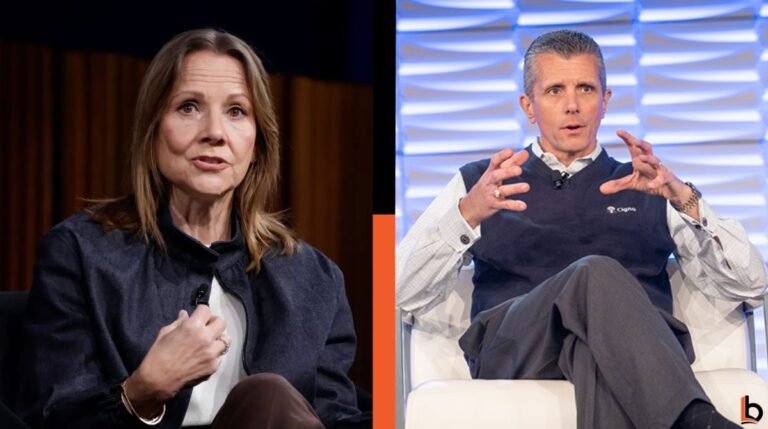
Mary Barra and David Cordani are two of America’s most recognizable corporate leaders, each shaping a major industry from the inside out. Barra has spent more than four decades at General Motors, rising from a co-op student to Chair and CEO, steering the company through the shift toward electrification and software-driven vehicles. Cordani built his career at The Cigna Group, joining in 1991 and eventually leading its transformation into a broader health services company before stepping into the role of Executive Chair in 2026.
Though their industries couldn’t be more different, both stories reveal what long-term, internal leadership can accomplish inside a Fortune 500 company.
Quick Bio of Mary Barra and David Cordani
Before digging into the details, here’s a side-by-side snapshot. Tables like this make it easy to compare two very different careers at a glance, without wading through paragraphs first.
| Detail | Mary Barra | David Cordani |
| Full Name | Mary T. Barra | David M. Cordani |
| Company | General Motors | The Cigna Group |
| Current Role | Chair and CEO | Executive Chair |
| Became CEO | 2014 | 2009 |
| CEO Ended | Still CEO | July 1, 2026 |
| Industry | Automotive | Healthcare |
| Undergraduate | Kettering University (Electrical Engineering) | Texas A&M University (Accounting) |
| Graduate | Stanford Graduate School of Business (MBA) | University of Hartford (MBA) |
Both Mary Barra and David Cordani joined their companies decades before reaching the corner office. That’s not an accident — it’s a pattern worth paying attention to, and we’ll come back to it later.
Who Is Mary Barra? Her Rise at General Motors
Mary Barra didn’t walk into General Motors as an outside hire with a big title already attached. She started in 1980 as a co-op student at the Pontiac Motor Division, while still studying electrical engineering. That’s the kind of entry-level start most executives never mention in their bios, yet it shaped everything that came after.
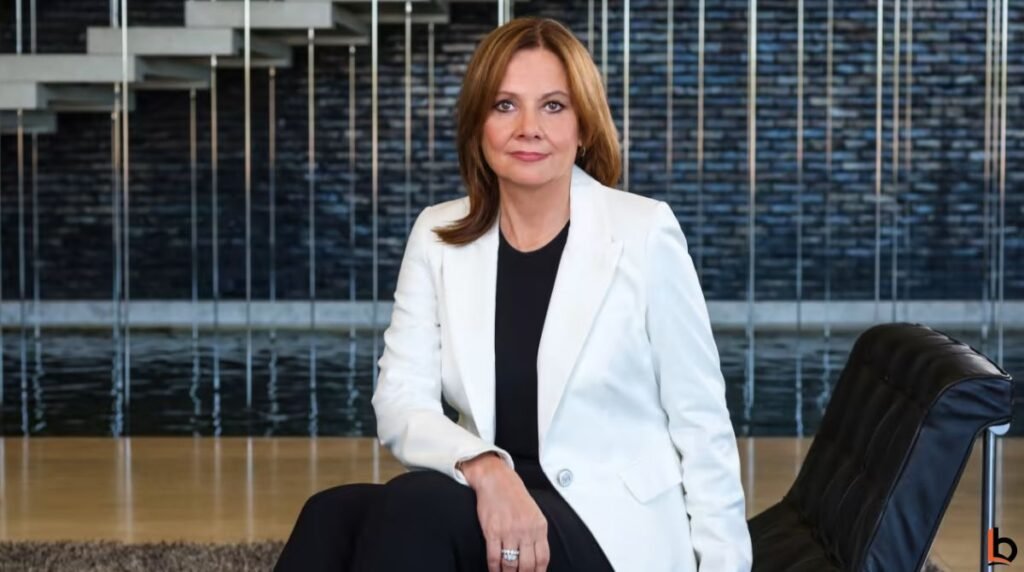
She earned her engineering degree at what’s now Kettering University, then went on to complete an MBA at Stanford Graduate School of Business. From there, she moved through a long list of roles at GM — engineering, manufacturing, human resources, purchasing, supply chain, and global product development. Few executives can claim that kind of functional breadth. By the time GM named her CEO in January 2014, she’d already touched nearly every corner of the business. Two years later, in 2016, she added Chair of the Board to her title, and she’s held both positions ever since.
Who Is David Cordani? His Career in Healthcare at Cigna
David Cordani’s path looks different on paper, but the underlying pattern rhymes with Barra’s. He joined Cigna in 1991, long before most people outside the company had heard his name. Over nearly two decades, he moved through customer segments, marketing, operations, and eventually the presidency of Cigna Healthcare.
His academic background leans commercial rather than technical — a bachelor’s degree in accounting from Texas A&M University, followed by an MBA from the University of Hartford. Cordani became Cigna’s CEO in 2009, and what he did next reshaped the company. The 2018 acquisition of Express Scripts laid the groundwork for Evernorth, Cigna’s health services arm, and pushed the company well beyond its old identity as “just an insurer.” By the time his CEO tenure wrapped up, Cigna looked nothing like the company he’d inherited.
David Cordani’s 2026 Leadership Transition — From CEO to Executive Chair
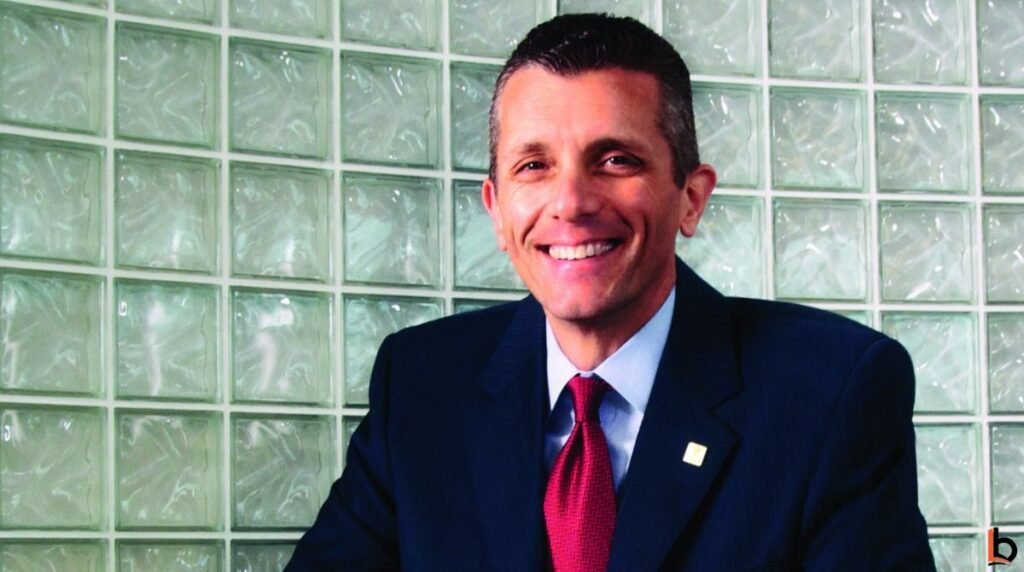
Here’s the part that trips up a lot of older articles: David Cordani is no longer Cigna’s CEO. The Cigna Group announced in March 2026 that Cordani would step down as CEO effective July 1, 2026, moving into the role of Executive Chair. Brian Evanko, previously President and COO, took over as CEO.
This wasn’t a sudden exit. The company described a planned transition period, with Cordani and Evanko working closely together in the months leading up to the handover. So if you’re reading content that still calls Cordani “Cigna’s current CEO,” treat that as outdated. As of mid-2026 onward, Executive Chair is the accurate title — and it’s a meaningful distinction, since a CEO runs daily operations while an executive chair focuses on board-level governance and strategy.
Mary Barra’s Leadership Amid the Changing Auto Industry
While Cordani was navigating a corporate transition, Barra has spent over a decade steering GM through something arguably bigger: a full-scale industry shift. Electric vehicles, software-defined cars, and autonomous-driving technology aren’t side projects for GM anymore — they’re central to the company’s strategy.
That said, leading this shift hasn’t been simple. GM still needs its gas-powered trucks and SUVs to fund the long-term bets on electrification, which creates a genuine balancing act. Barra’s engineering background gives her an edge here since she understands the technical side of these investments, not just the financial spreadsheet version. In 2026, she also spoke publicly about lessons she’d taken from investor Warren Buffett, particularly around resisting the pressure to manage a company purely around quarterly earnings. That’s a mindset that matters a lot when you’re trying to fund a decade-long technology transition.
Readers Also Enjoyed: Mary Joan Schutz: The Quiet Story Behind Gene Wilder’s Second Marriage
Are Mary Barra and David Cordani Connected?
Let’s address this directly, because it’s probably part of why you’re reading this. No credible public source suggests Mary Barra and David Cordani are related, married, or connected through any business partnership. They lead separate companies, in separate industries, with no documented personal or professional relationship between them.
So why do their names show up together in searches? Most likely, it’s because both are frequently mentioned in lists of major American CEOs, leadership rankings, or corporate governance discussions. Their proximity in search results is professional coincidence rather than any real-world connection — worth clearing up before jumping to conclusions.
What Mary Barra and David Cordani Have in Common
Different industries aside, their career arcs share some real similarities. Both spent decades at one company before landing the top job — Barra at GM since 1980, Cordani at Cigna since 1991. Neither arrived as an outside hire parachuting into the CEO chair.
Both also built experience across multiple business functions rather than specializing narrowly. Barra touched engineering, manufacturing, HR, and supply chain. Cordani moved through marketing, operations, and healthcare-specific leadership roles. And both eventually had to guide their organizations through structural change — Barra through the shift toward electric and software-driven vehicles, Cordani through Cigna’s transformation into a broader health services company via Evernorth. That’s a lot of overlap for two people who’ve never worked in the same field.
Key Differences Between Mary Barra and David Cordani
Of course, the differences matter just as much. Barra’s world revolves around physical products — factories, supply chains, vehicle safety, and manufacturing timelines. Cordani’s world involves insurance contracts, pharmacy benefits, and heavily regulated healthcare policy. These aren’t just different jobs; they’re different kinds of pressure entirely.
Their educational paths diverge too. Barra came up through electrical engineering before adding business training. Cordani went the opposite route, starting in accounting and building outward into operations and executive management. And as of 2026, their titles no longer even match in category — Barra remains Chair and CEO, actively running GM day-to-day, while Cordani has stepped back into the board-focused Executive Chair role, handing daily operations to Evanko.
What Their Careers Reveal About Corporate Leadership
Put the two stories side by side, and a clear theme emerges: there’s no single formula for reaching the top of a major American company. Long internal tenure worked for both of them, but so did a willingness to challenge the very systems they’d spent years mastering.
That’s the harder part, honestly. It’s one thing to know a company inside and out after 30 years. It’s another thing entirely to turn around and push that same company toward electric vehicles or a completely new health services model. Both Barra and Cordani had to do exactly that — proving that deep institutional knowledge doesn’t have to mean resistance to change. If anything, it gave them the credibility to push changes through.
Mary Barra and David Cordani in 2026: Final Thoughts
So where do things stand right now? Mary Barra continues on as Chair and CEO of General Motors, still guiding the company through its electrification and software push. David Cordani has entered a new chapter as Executive Chair of The Cigna Group, staying involved at the governance level while Brian Evanko runs day-to-day operations as CEO.
Mary Barra and David Cordani aren’t connected in any personal sense, but their career arcs tell a similar story from two very different angles: decades of internal growth, broad functional experience, and the ability to lead major change from the inside. That’s a rarer combination than it might sound, and it’s exactly why both names keep coming up in conversations about serious corporate leadership.
FAQ’s About Mary Barra and David Cordani
Who are Mary Barra and David Cordani?
Mary Barra is the Chair and CEO of General Motors, and David Cordani is the Executive Chair of The Cigna Group after serving nearly 17 years as its CEO. They lead separate companies in unrelated industries.
What does Mary Barra’s husband do?
Mary Barra is married to Tony Barra, described as a consultant whom she met while studying at Kettering University.
What is Mary Barra’s annual salary?
According to GM’s 2026 proxy filing, Barra earned total compensation of about $29.9 million for 2025, making her the highest-paid CEO among Detroit’s Big Three automakers.
Is Mary Barra considered a good CEO?
Opinions vary, but she’s widely credited with leading GM through the ignition-switch crisis early in her tenure and steering the company’s push into electrification and software — though results are still judged against GM’s financial and EV performance.
How much of GM does Mary Barra own?
Barra’s personal stake is small, typically well under 1% of GM’s outstanding shares — common for a large public company, though her compensation includes substantial stock awards over time.
Readers Also Enjoyed: Mary Joan Schutz: The Quiet Story Behind Gene Wilder’s Second Marriage
